ROLEX PAVILION
A Hyper-sustainable Ode to Venice
Status: Built
Location: Venice , Italy
Team: Mariam Issoufou, Safa Mehrjui, Victoire Tata, Abdoulaye Makadassou.
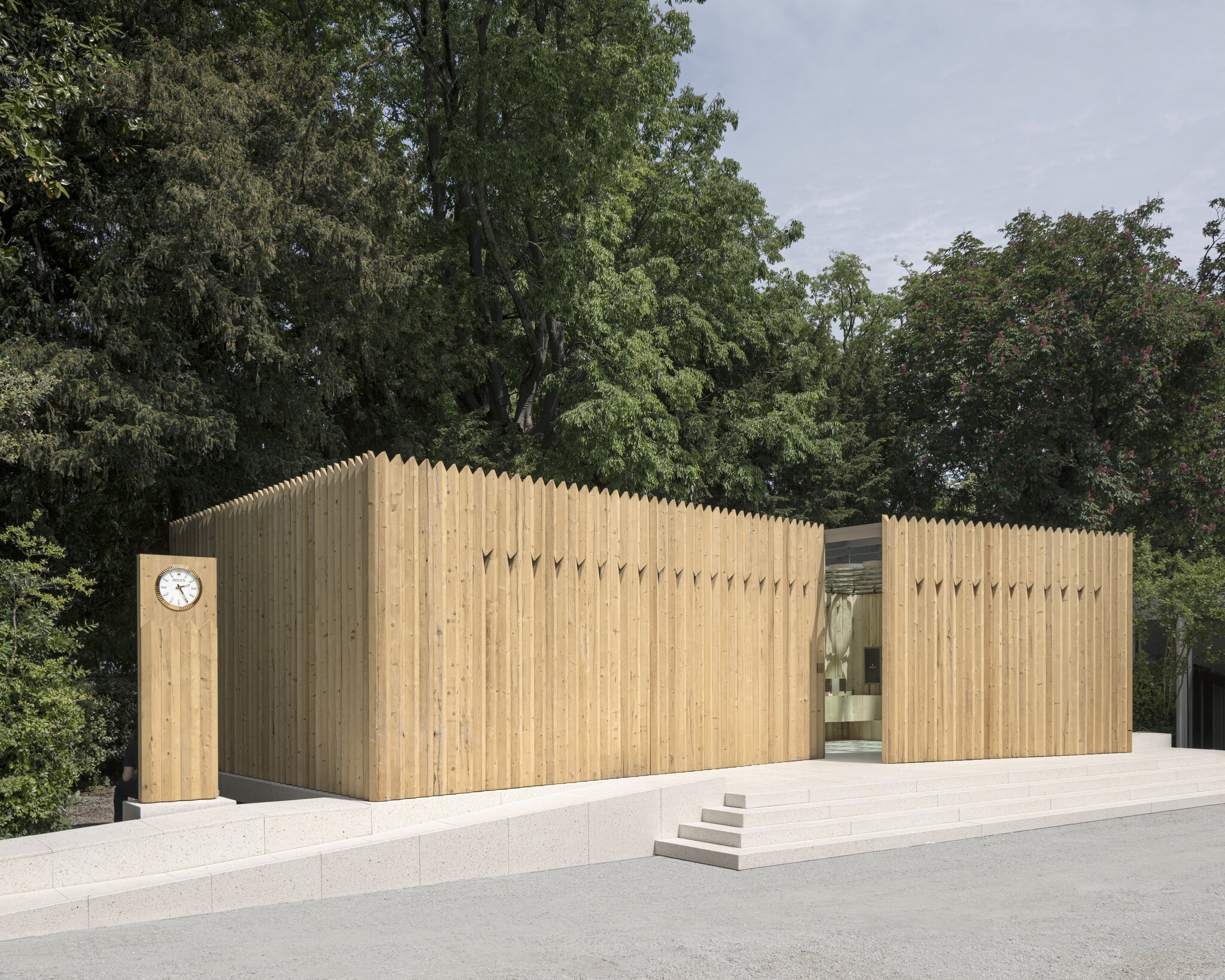
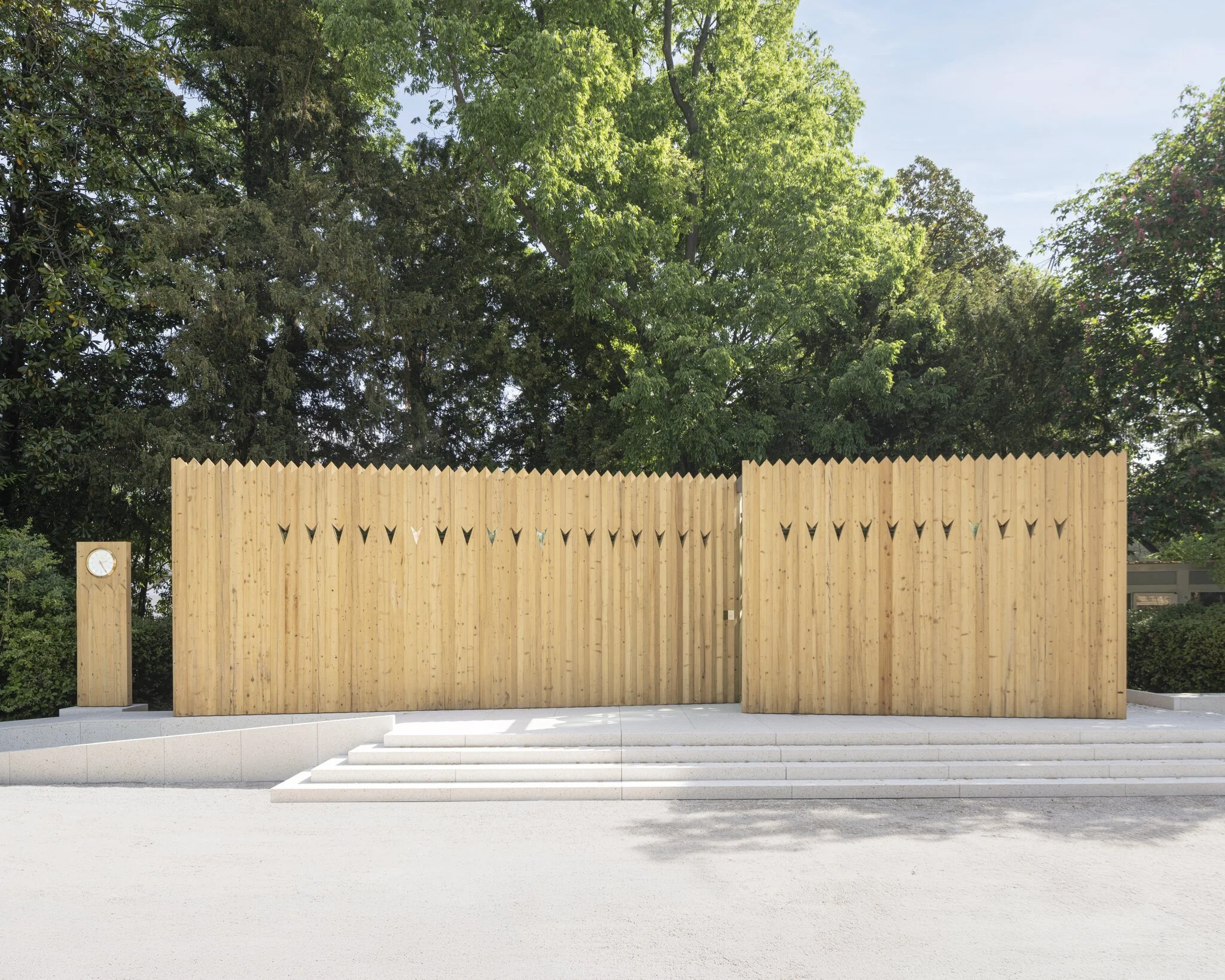
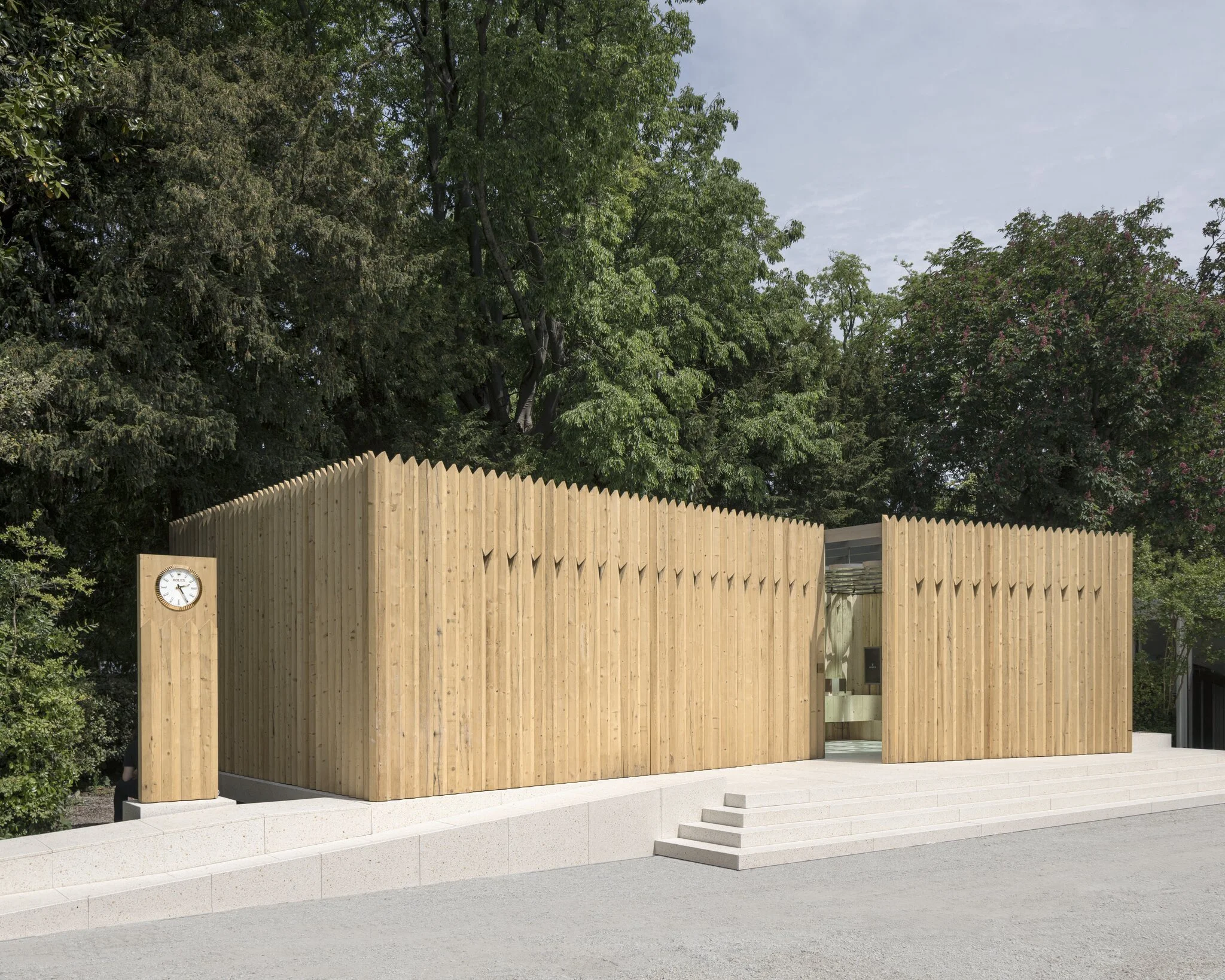
The studio was commissioned by Rolex to design its pavilion for the 2025 Venice Architecture Biennale, a significant departure for the brand as their pavilion is typically developed in-house. Responding to curator Carlo Ratti’s theme, Intelligens. Natural. Artificial. Collective., the pavilion foregrounds environmental and cultural sustainability. It pays homage to Venetian craft through the use of recycled materials and a construction system designed for easy disassembly—allowing the structure to be repurposed, reassembled, or potentially reinstalled for the following Biennale.
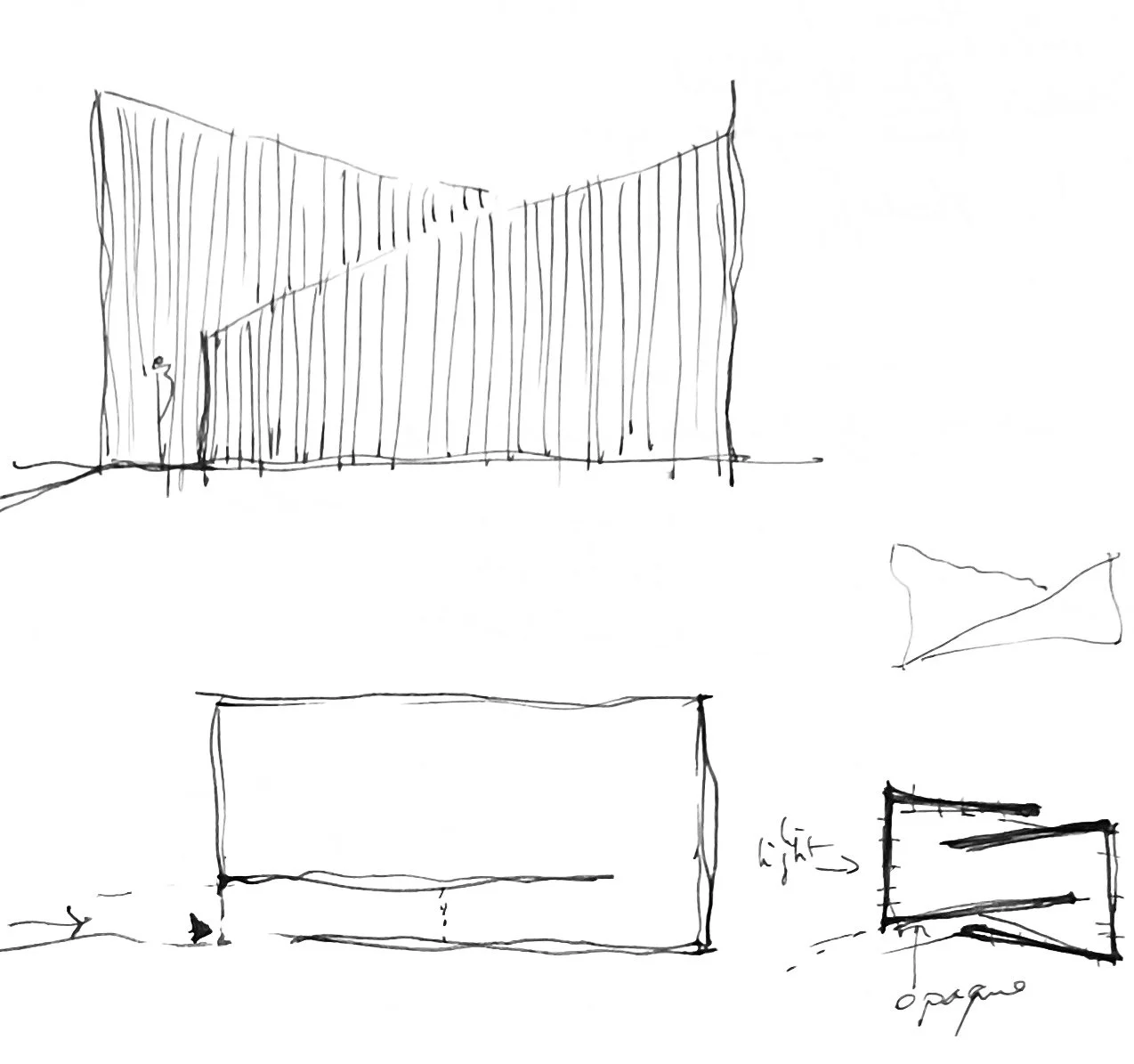
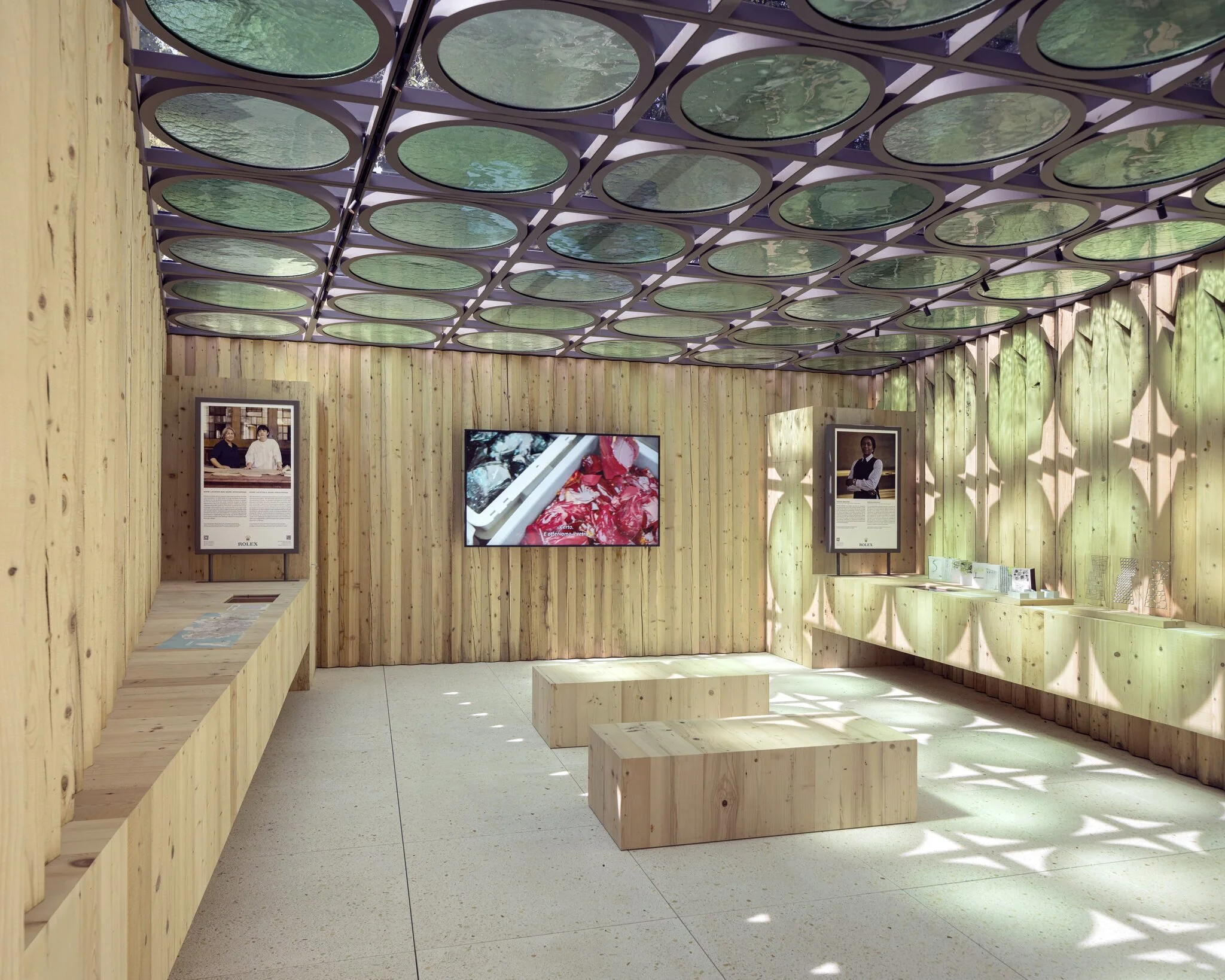
The articulation and opacity of the pavilion’s form is a subtle nod to Italian architect Carlo Scarpa, whose work was deeply informed by Venetian history, landscape, and materiality. Inside, the exhibition unfolds fluidly, beginning with a behind-the-scenes look at Rolex’s newly crafted flagship stores in Milan and Tokyo. At the opposite end, the pavilion presents the work of the 2025 Rolex architecture protégée, Lebanese architect Arine Aprahamian, mentored by French architect and educator Anne Lacaton.
-
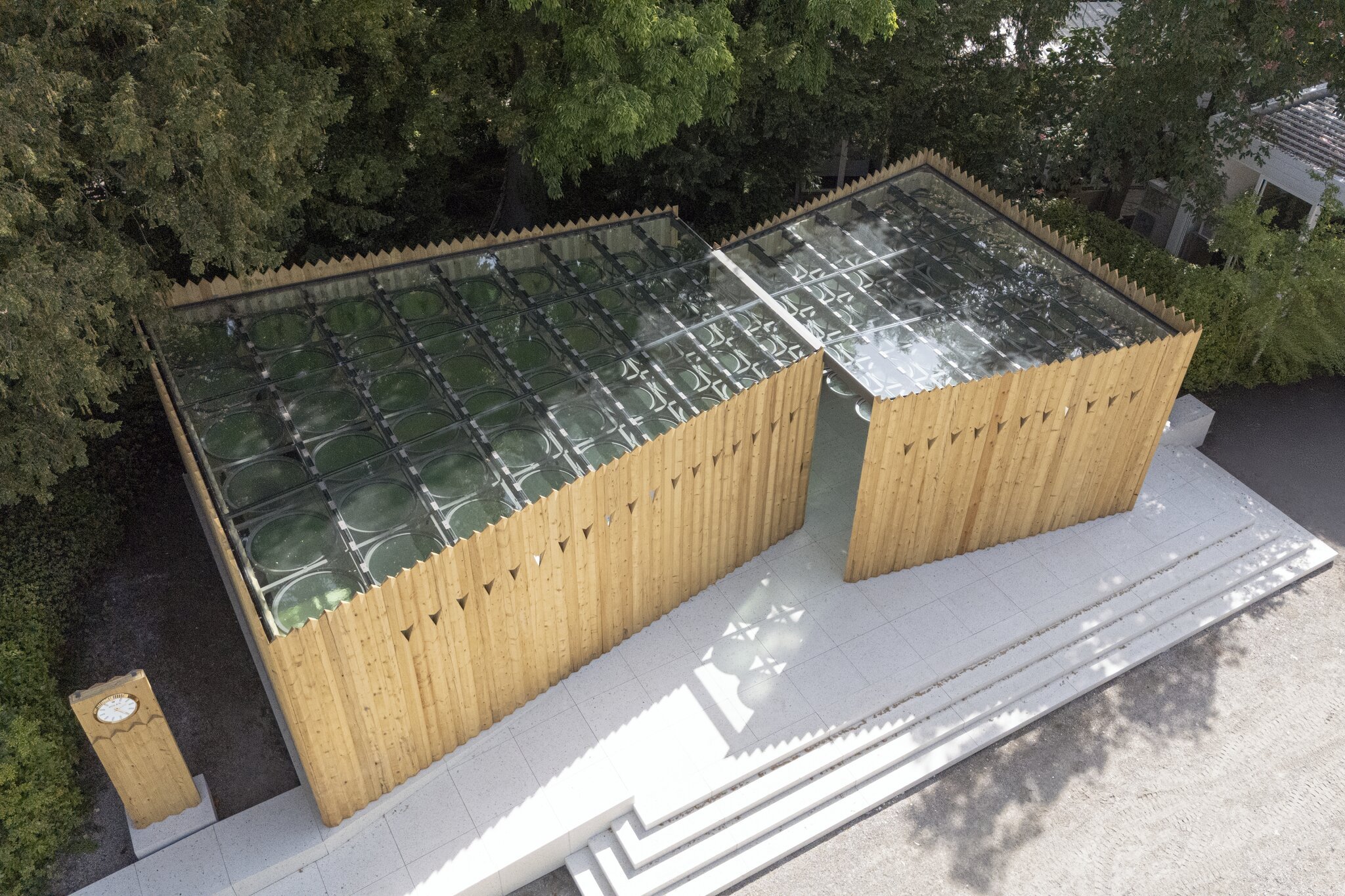
The pavilion’s form is directly informed by Venice itself, taking inspiration from the city as an island divided by the sinuous line of the Grand Canal. This gesture establishes a spatial sequence that accommodates exhibition content while evoking the city’s unique geography. The resulting configuration creates a sense of movement and passage, allowing visitors to navigate the pavilion in a way that echoes Venice’s relationship between land, water, and circulation.
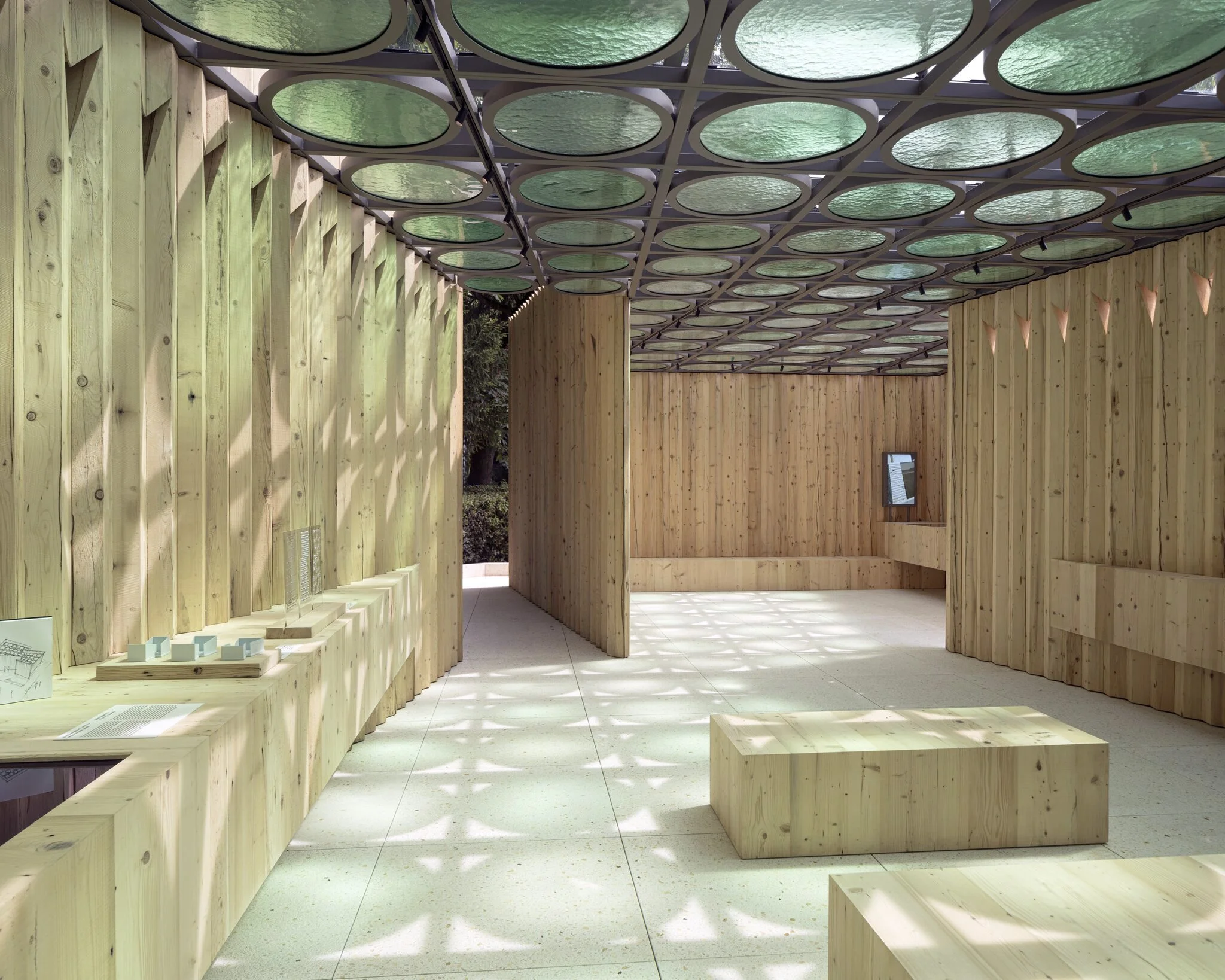
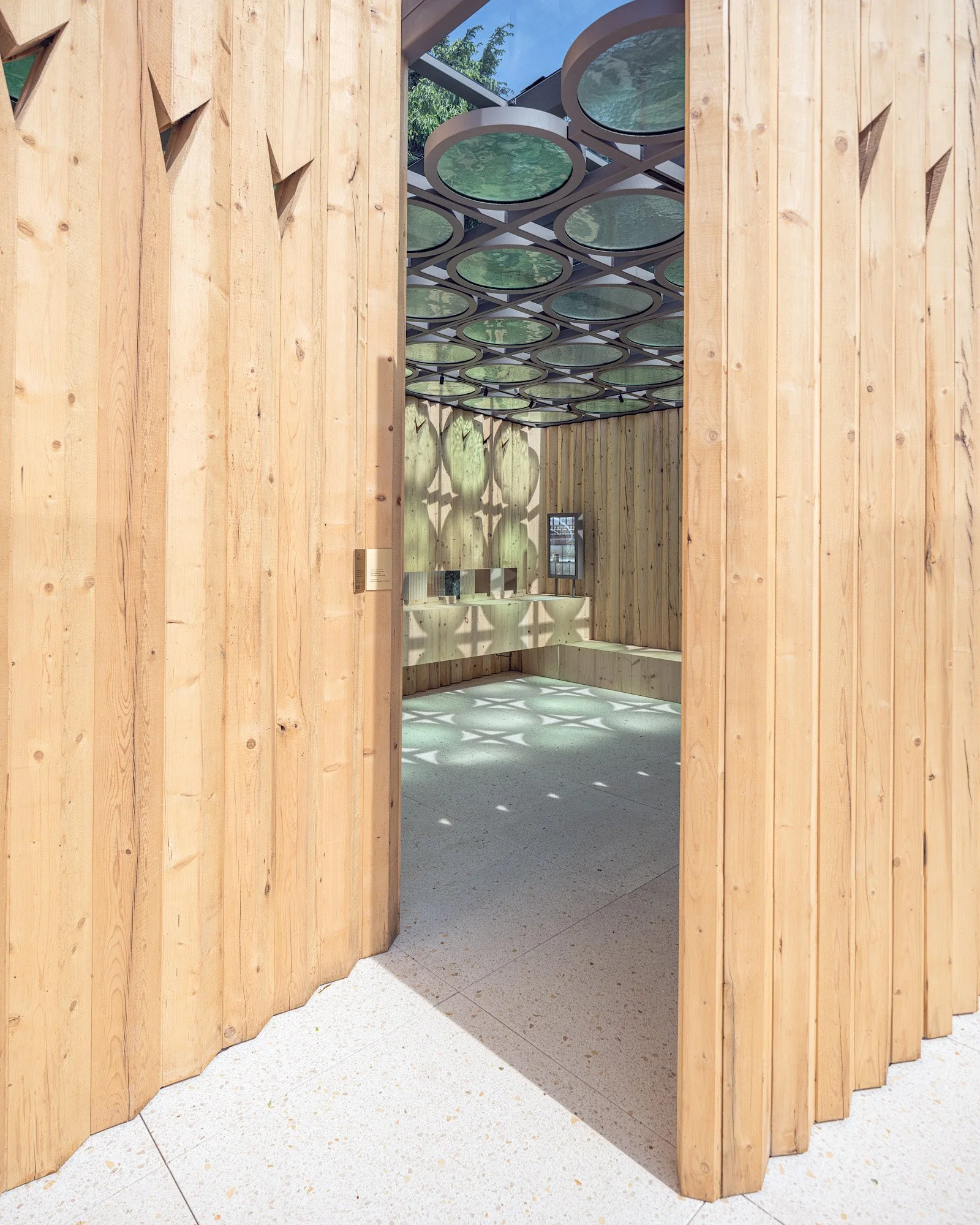
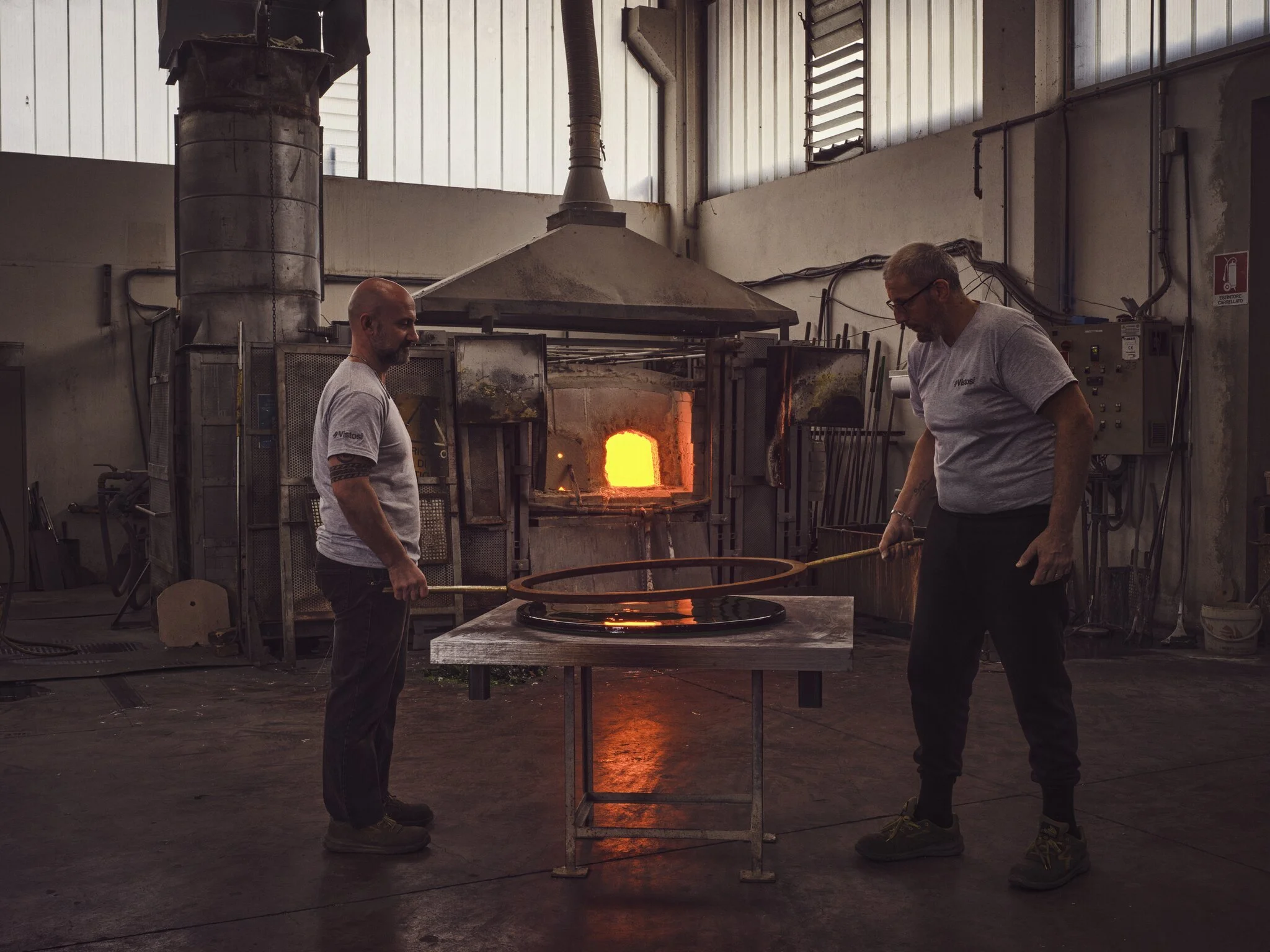
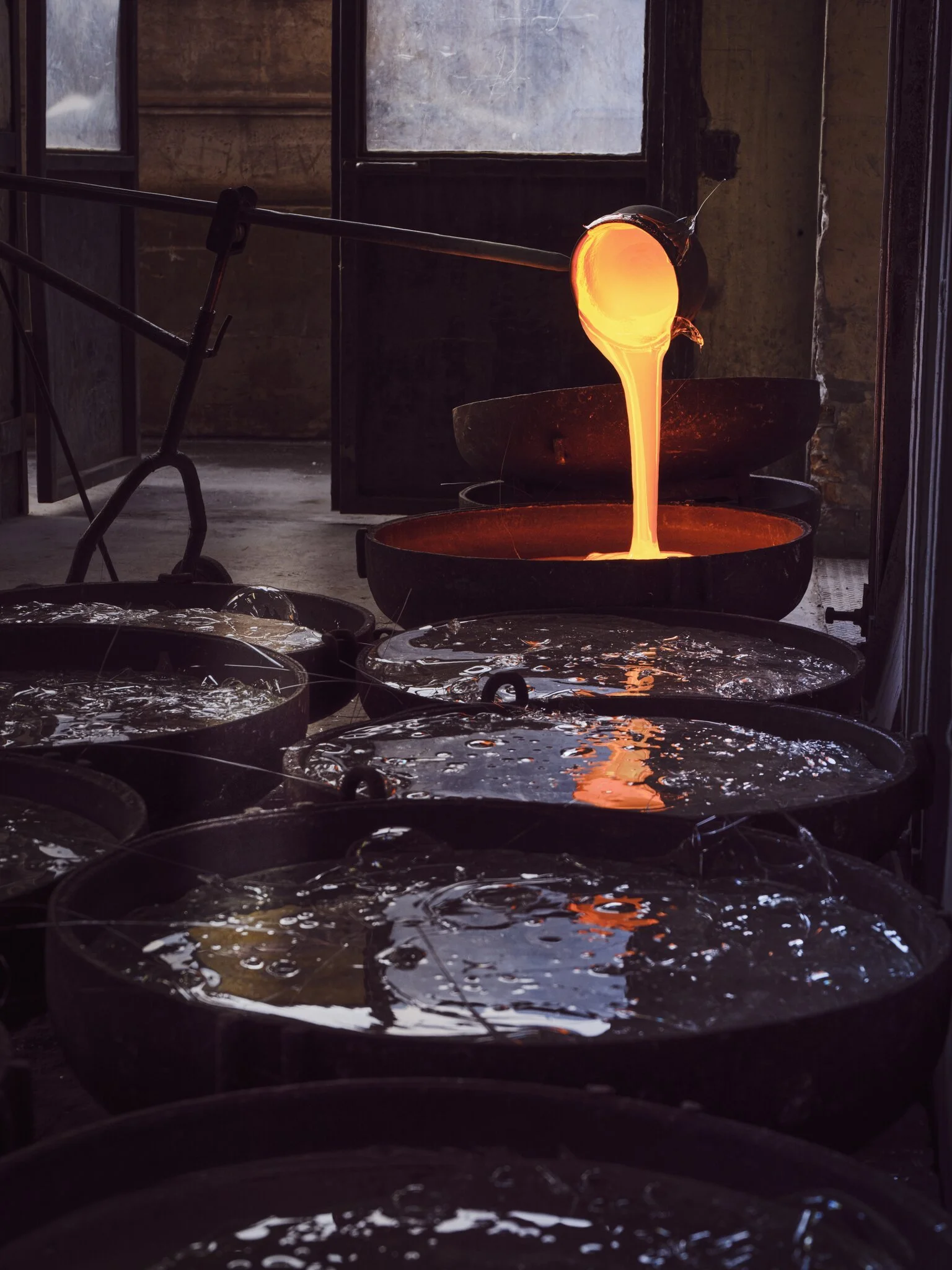
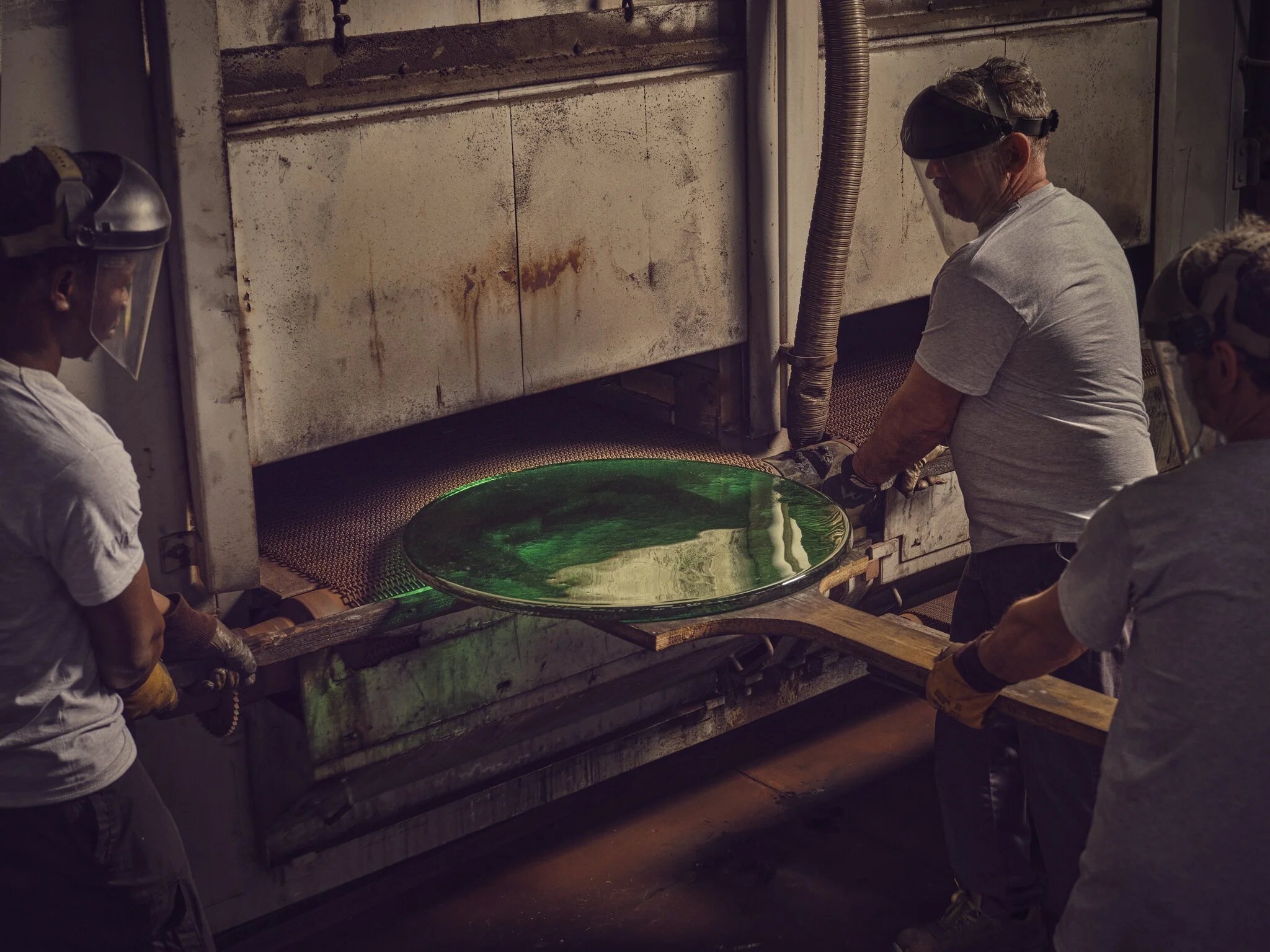
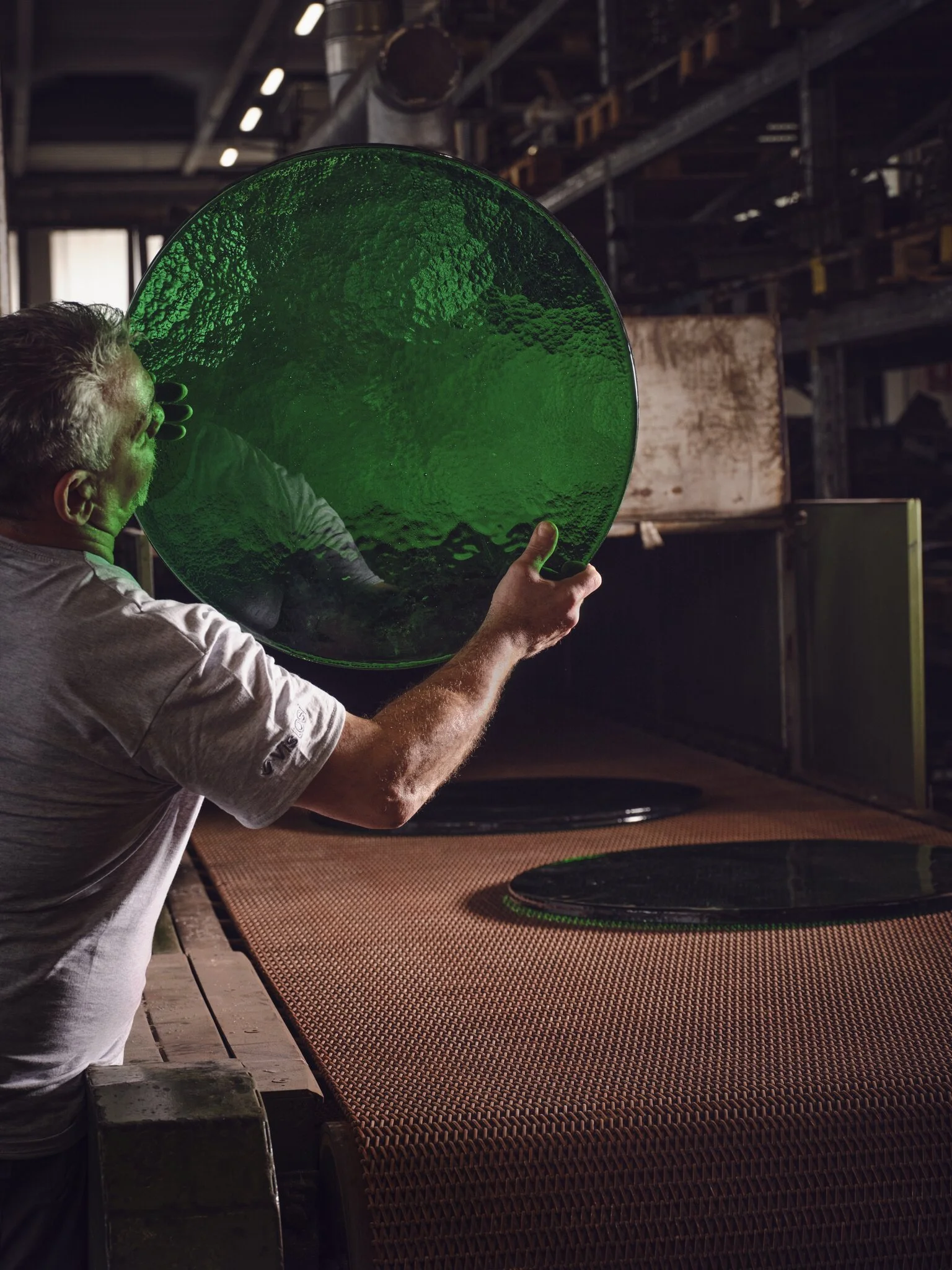
Collaboration with local artisans is central to the pavilion’s making. Venetian glass manufacturer Vistosi produced the circular glass discs that form the ceiling, extending the visual language of tree leaves suspended above. These translucent, coloured elements filter natural light into the space, producing a dappled effect that shifts throughout the day in response to changing light conditions. The ceiling becomes both an architectural and atmospheric element, reinforcing the pavilion’s connection to natural cycles.
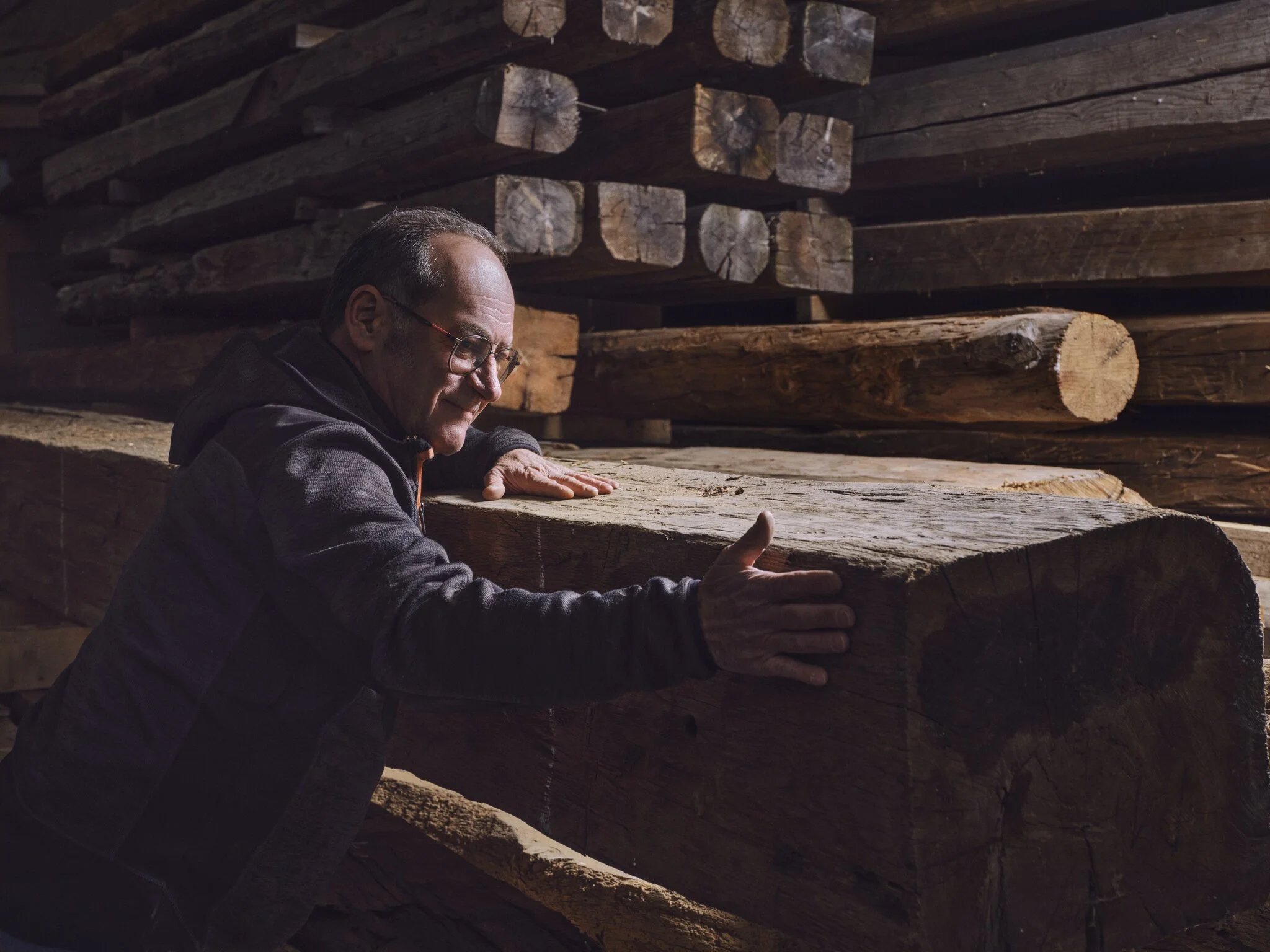
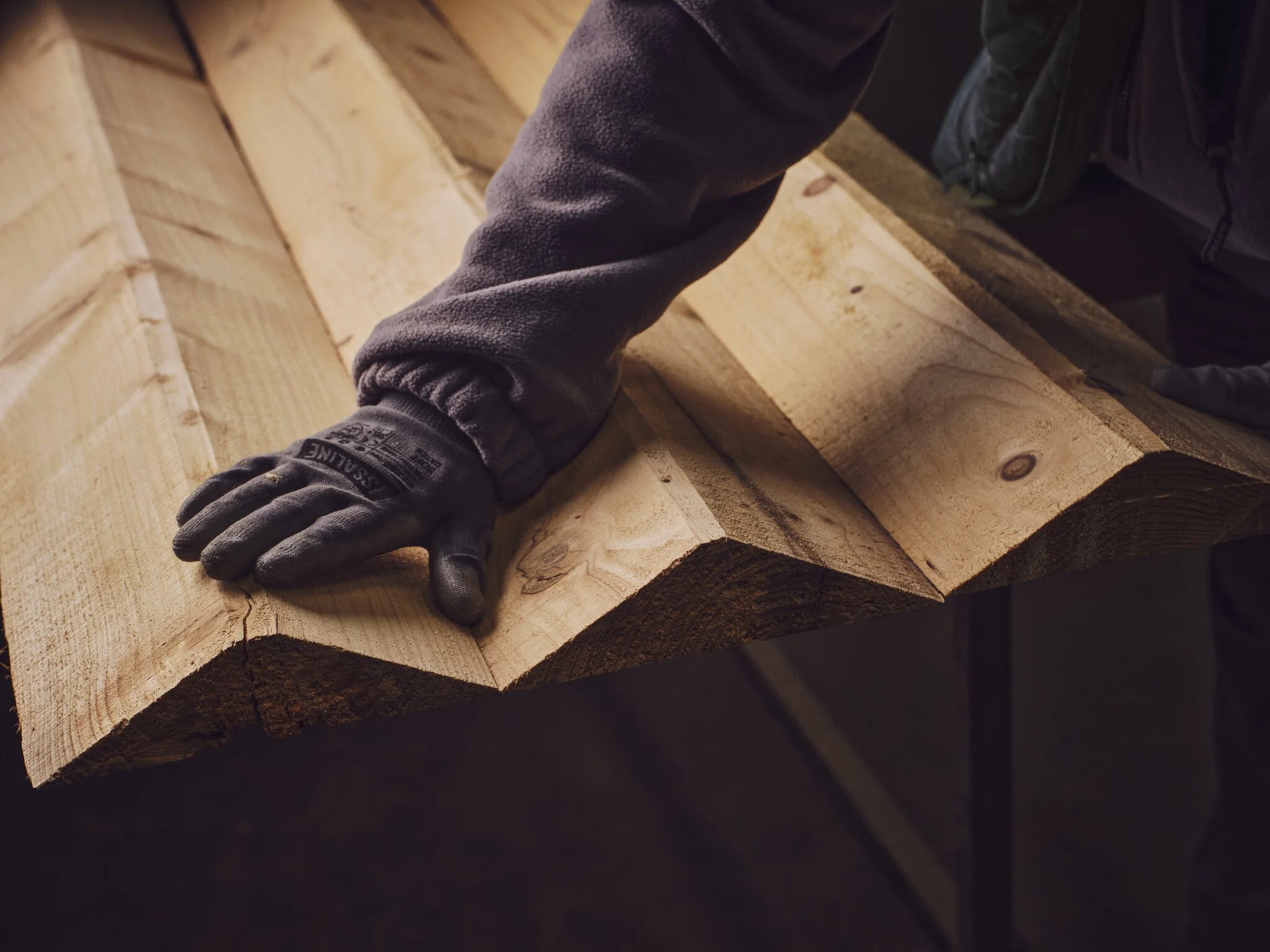
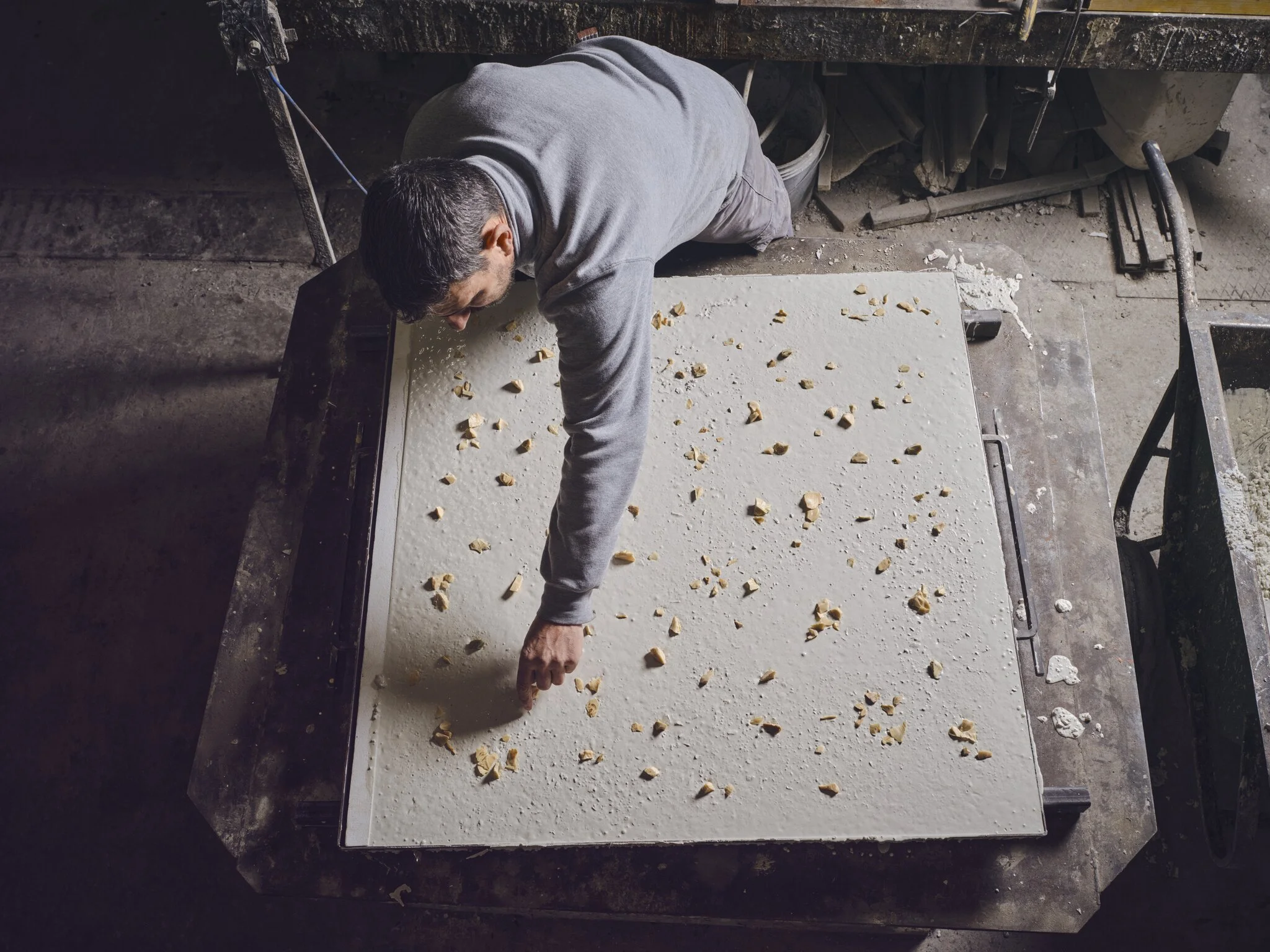
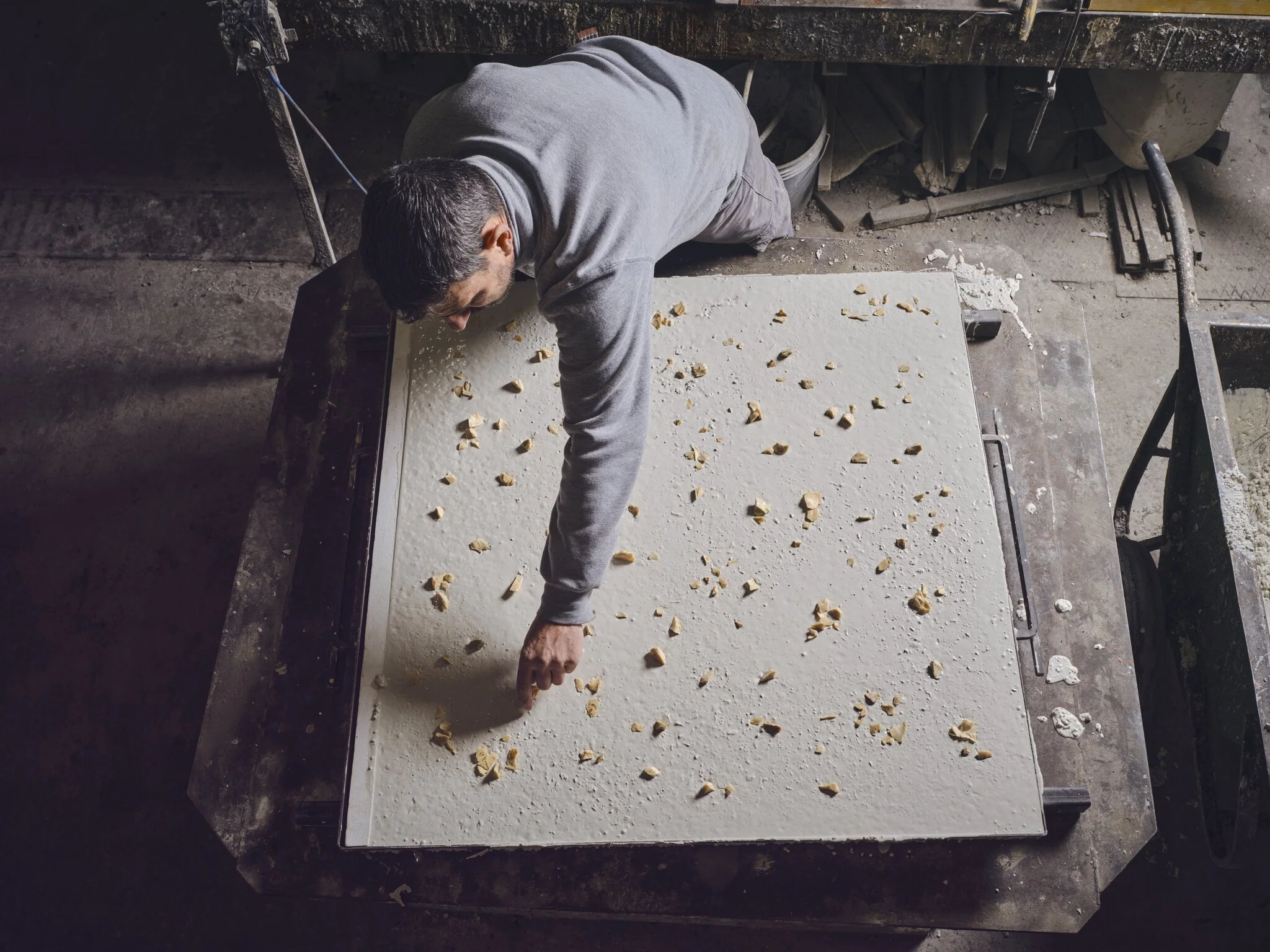
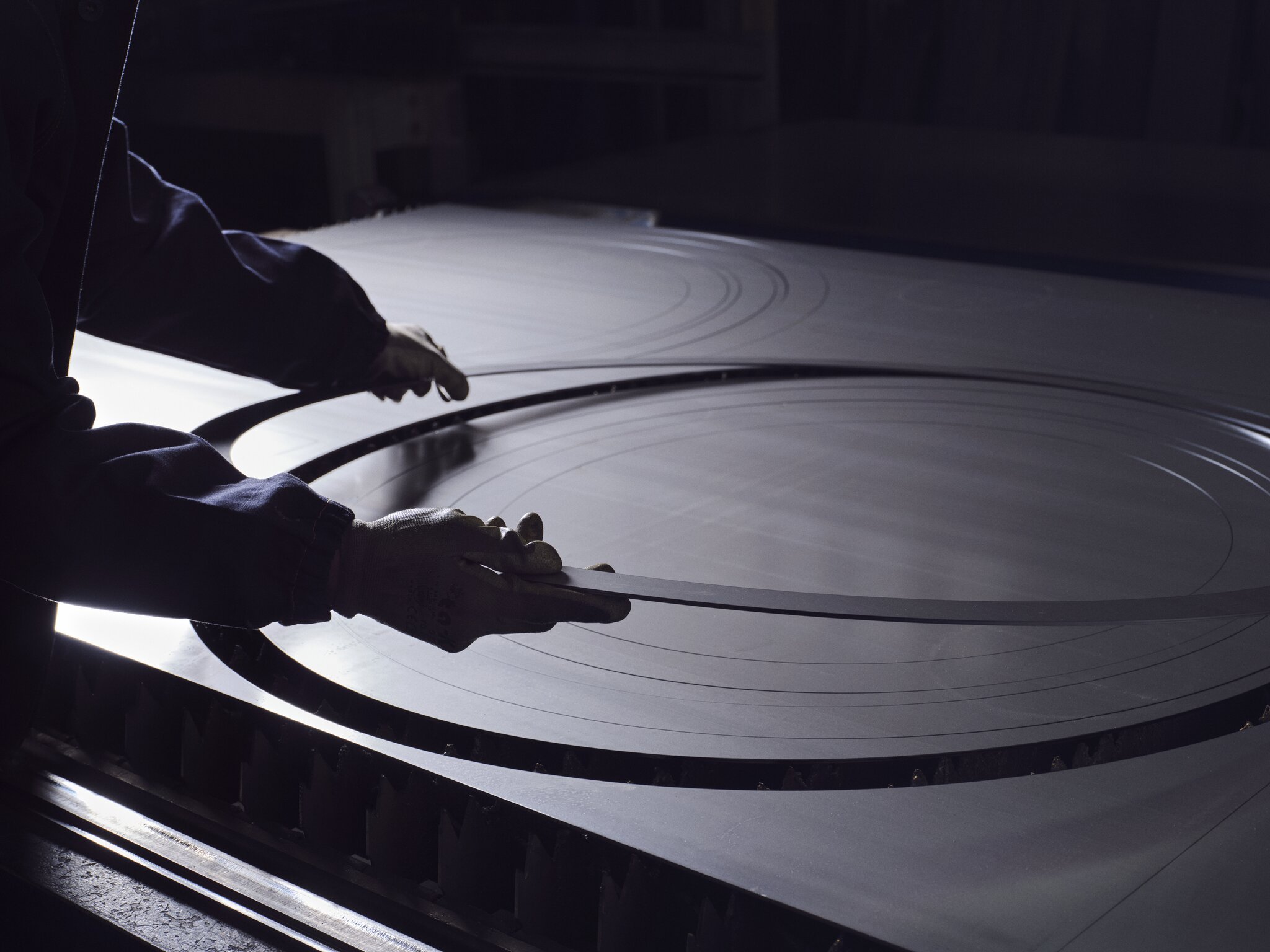
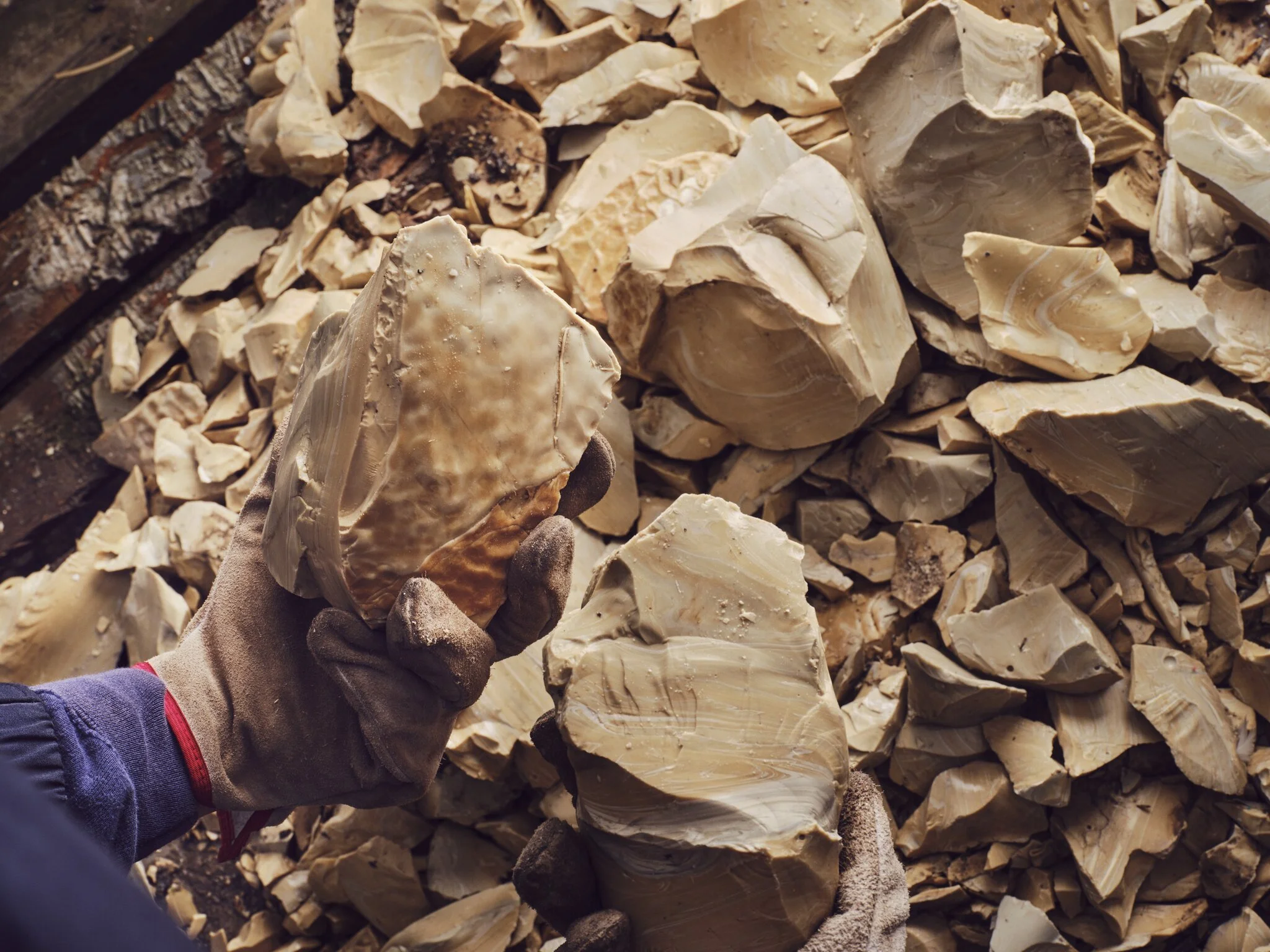
Material expression continues underfoot and throughout the structure. Terrazzo flooring incorporates recycled glass shards sourced from Murano, transforming discarded material into a refined surface. The pavilion’s metal framework is constructed from bolted, recycled steel, while 200-year-old timber beams salvaged from Venetian palazzi are repurposed as walls. Together, these elements establish a layered material narrative that connects contemporary construction to Venice’s deep architectural history and enduring traditions of making. The pavilion became a testing ground for the studio’s intersectional approach to sustainability, allowing the project to move beyond environmental concerns and actively engage the region’s socio-economic and cultural fabric.
-
Lead Architect
Mariam Issoufou ArchitectsBuilt By
UniFor -
Video With Sound
GLASS

METAL


WOOD