NATIONAL BLACK THEATRE
Harnessing Deep Ancestral Roots in Harlem
Status: Competition Proposal
Location: Harlem, New York
Team: Mariam Issoufou, Mariam Issoufou, Aaron Nknoma, Aldon Plattjie
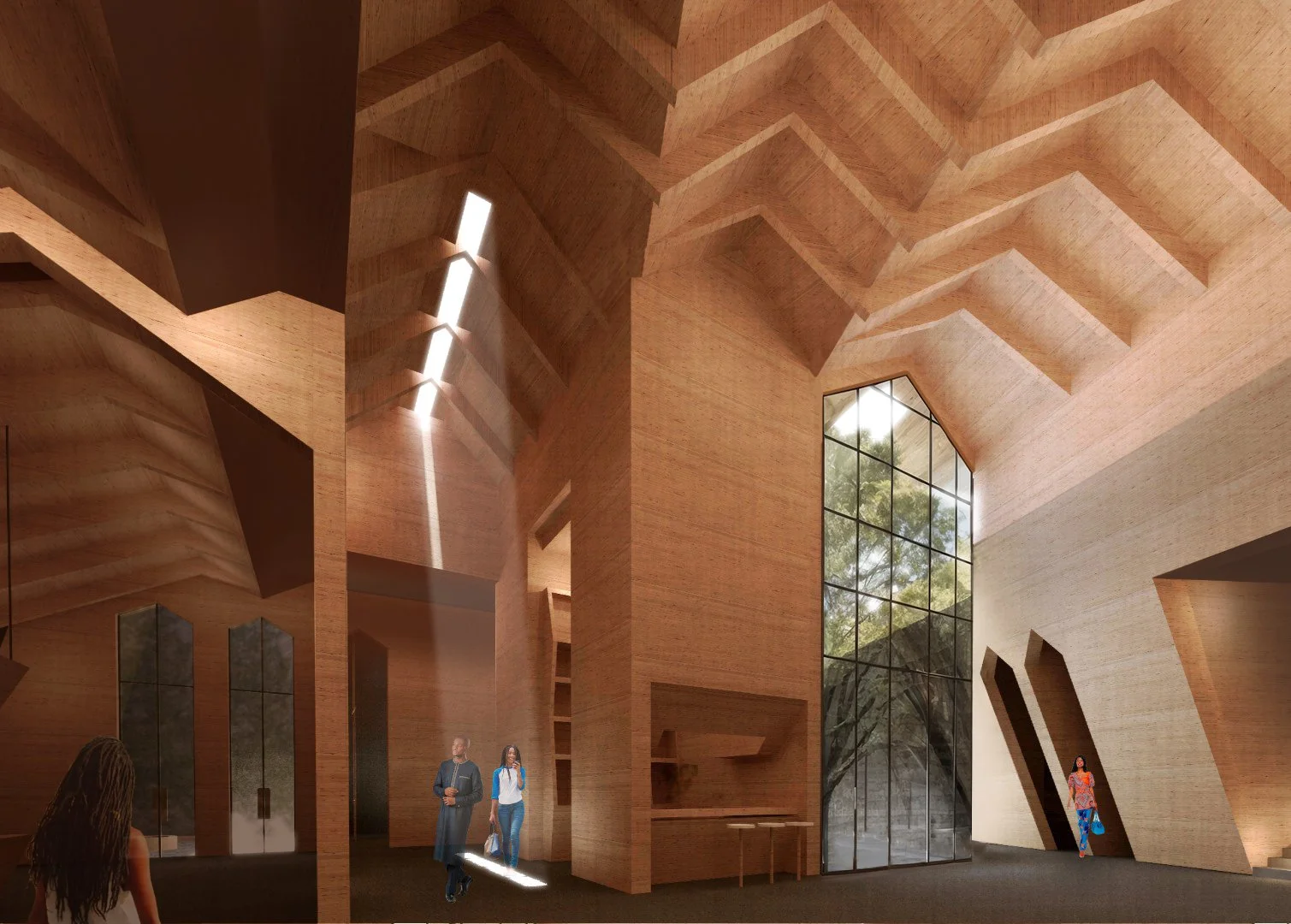
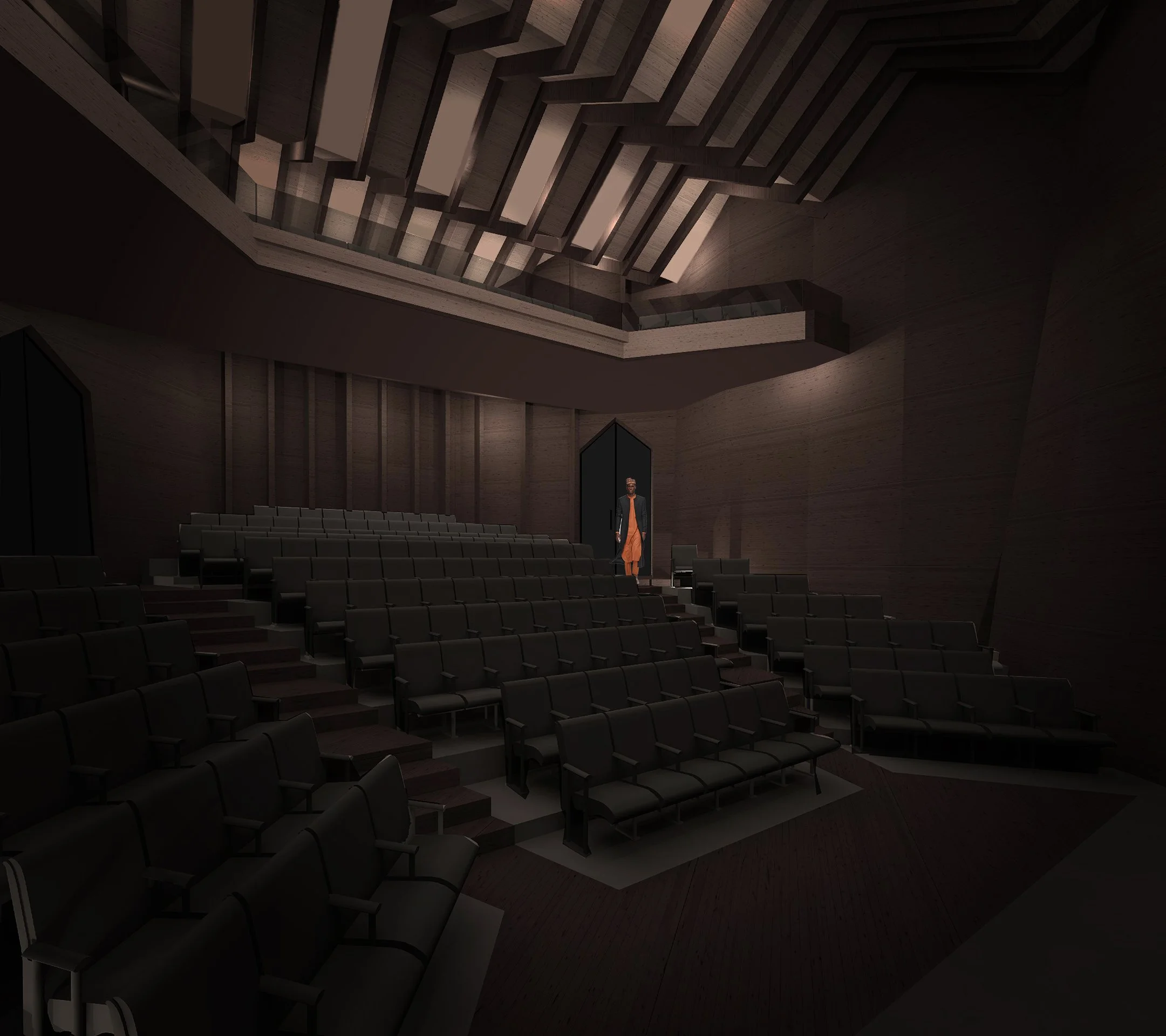
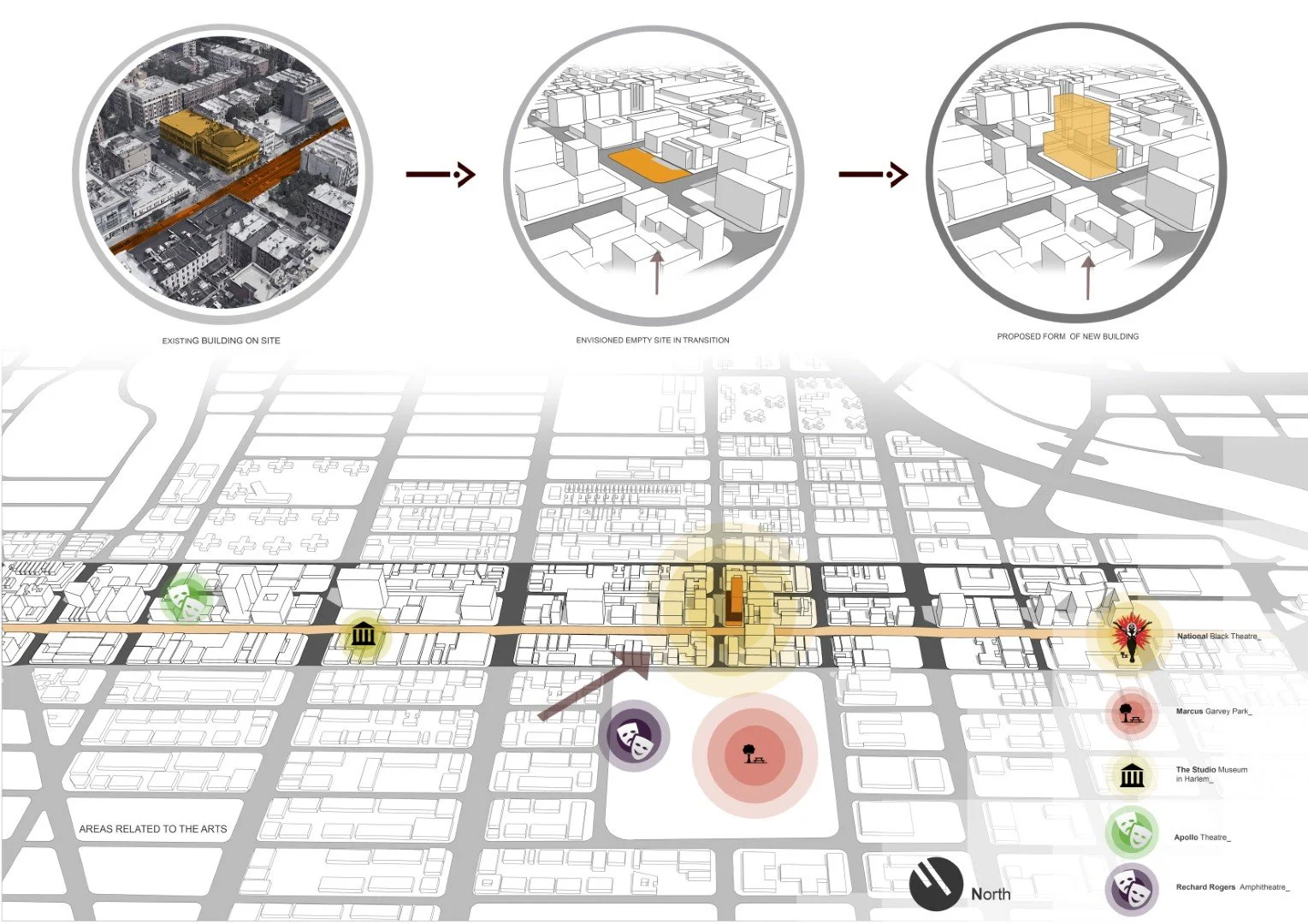
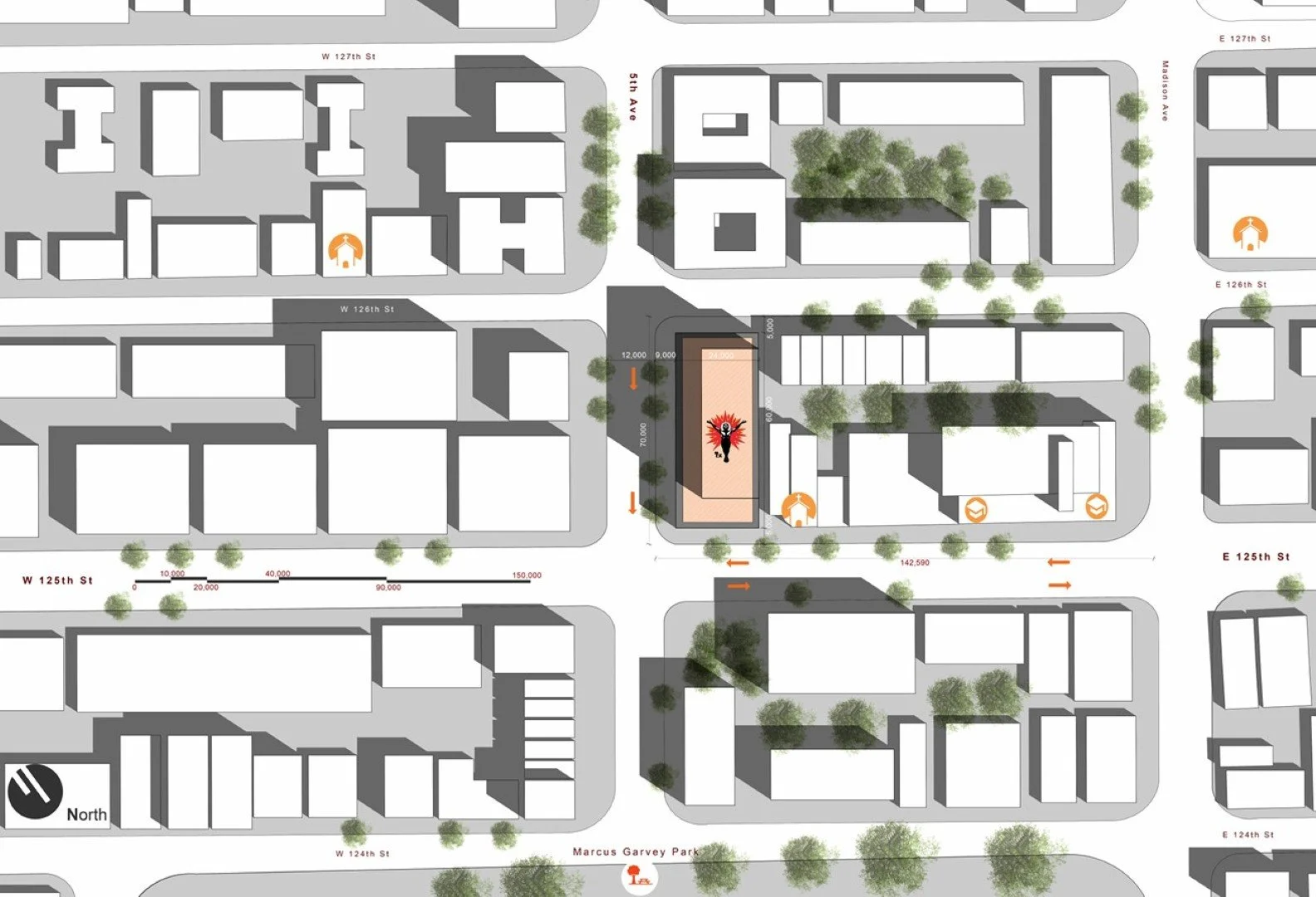
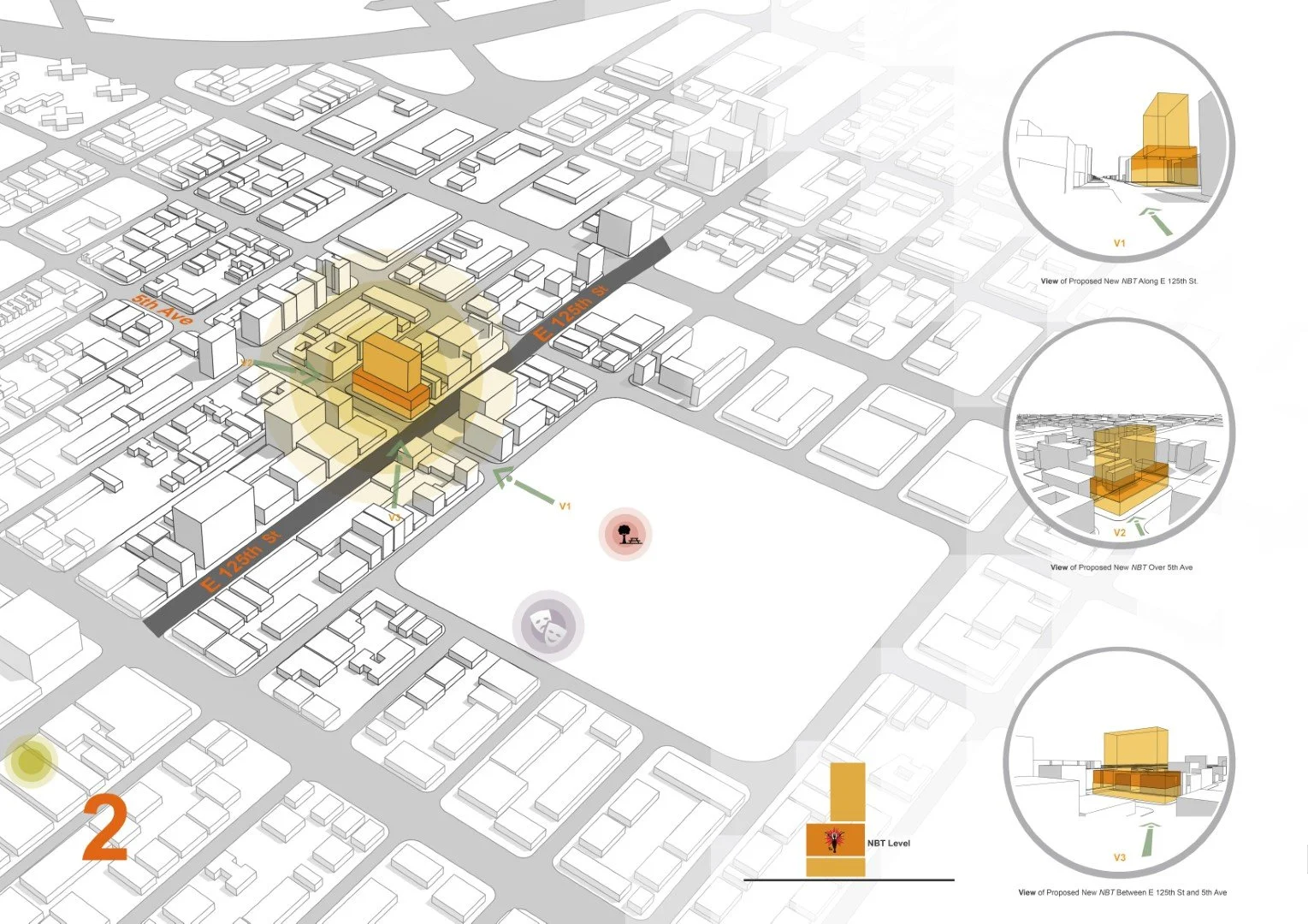
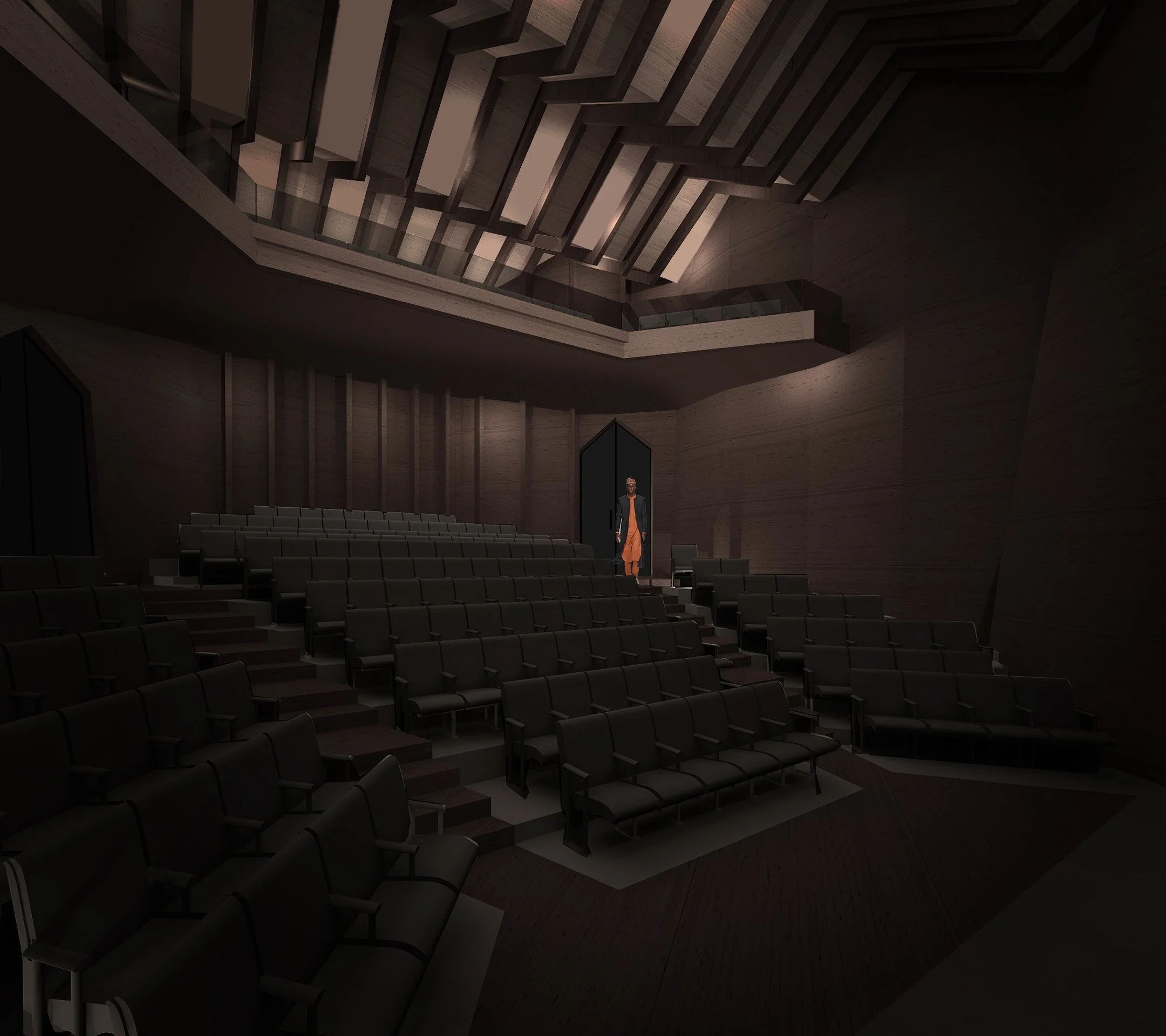
The conceptual interior proposal of the National Black Theater in Harlem, America's first revenue-generating Black arts complex founded in 1968 by visionary director and entrepreneur Dr. Barbara Ann Teer, aimed to connect the patrons and performers to the deep well of ancient spiritual wisdom of Black people. The pioneering institution has been instrumental in shifting inaccurate perceptions of the cultural identity of African Americans, and the studio’s proposal furthered that mission in imagining a narrative, sacred space for innovative theater.
The design was inspired by Dr. Teer’s profound interest in the traditions of the Yoruba people from West Africa, particularly goddess Oshun who is associated with love, fertility, water, and purity.
-
In western Nigeria, the Osun-Osogbo Sacred Grove remains an active center of worship and cultural memory. Recognized as a UNESCO World Heritage Site, it is dedicated to the river deity Osun and encompasses sculptural shrines, forested pathways, and ritual spaces that sustain centuries-old spiritual practices. The grove stands as a living testament to Yoruba cosmology and artistic expression, grounding contemporary interpretations in an enduring sacred landscape.
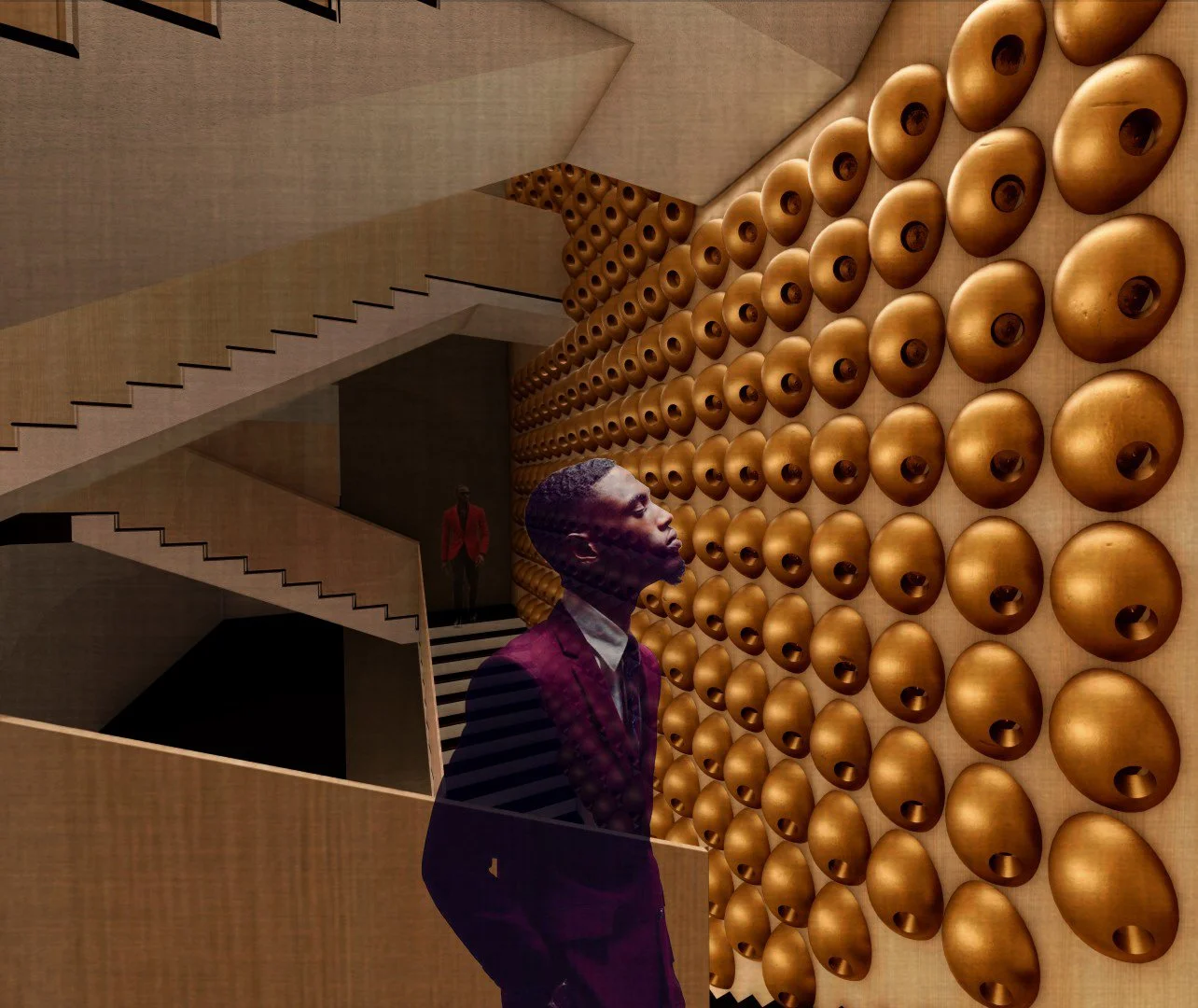
The proposed space unfolds as a grove, threshold, and shrine—placing the theater in direct dialogue with the sacred site along the banks of the Osun River in Nigeria, where communities gather for celebrations such as the annual Osun-Osogbo Festival, and with the spiritual wisdom carried through storytelling, music, and poetry by travelling griots, the keepers of intergenerational African knowledge. The griots’ instrument, the kora—regarded as a vessel of history—is evoked in an installation of 401 koras arranged along the stairs leading to the third floor.
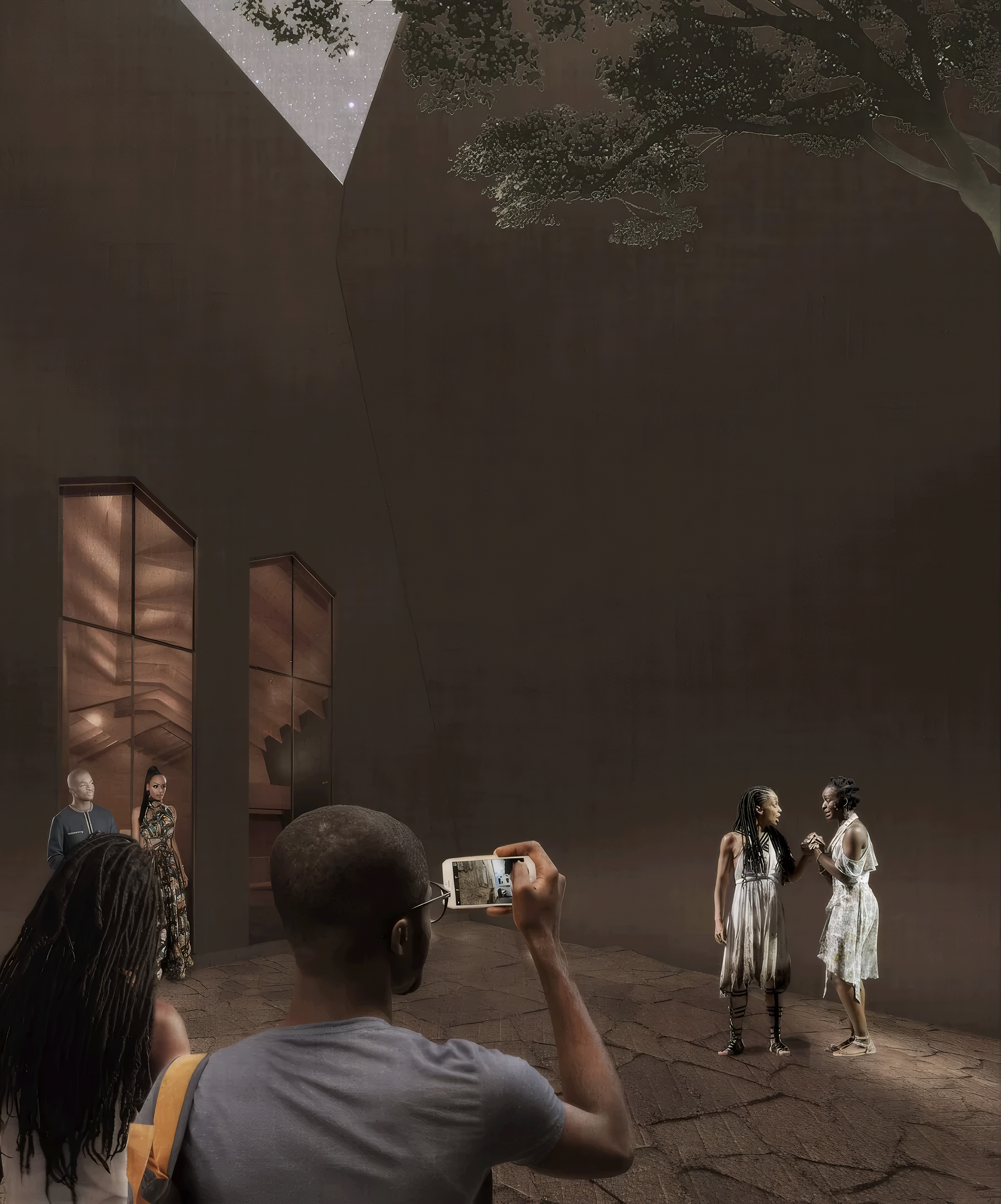
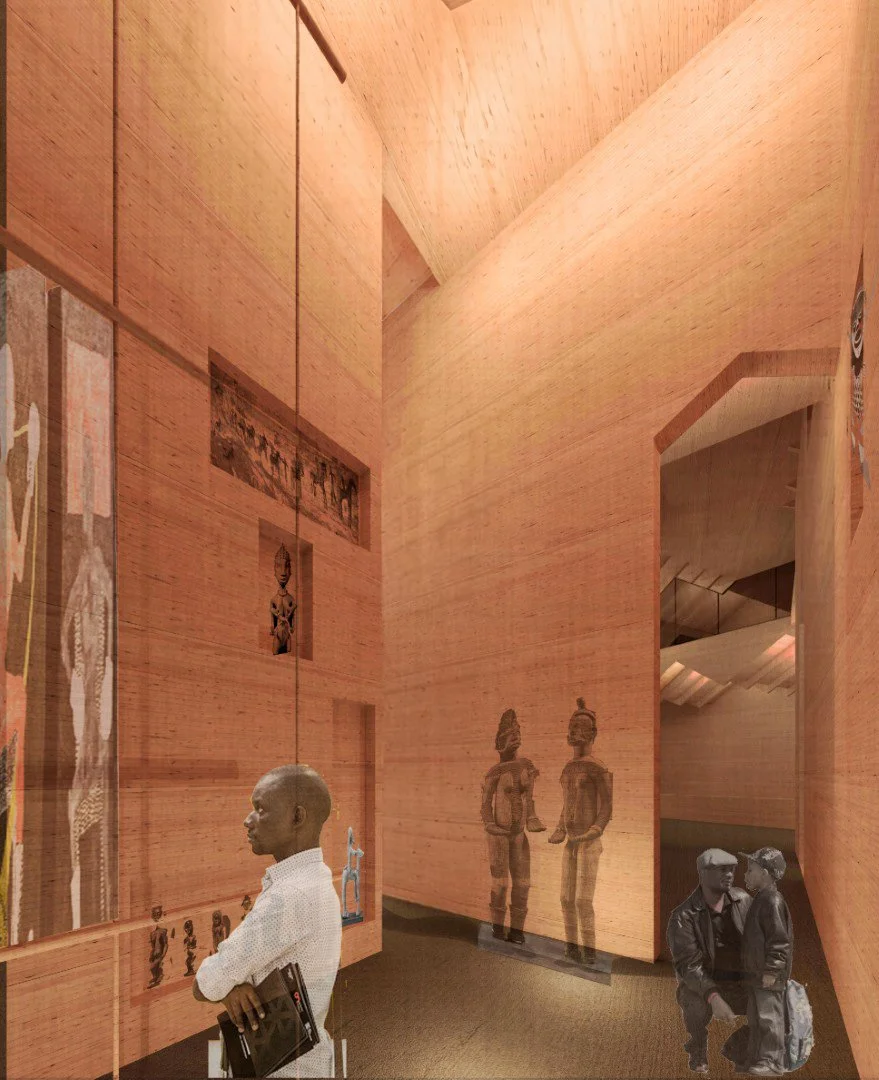
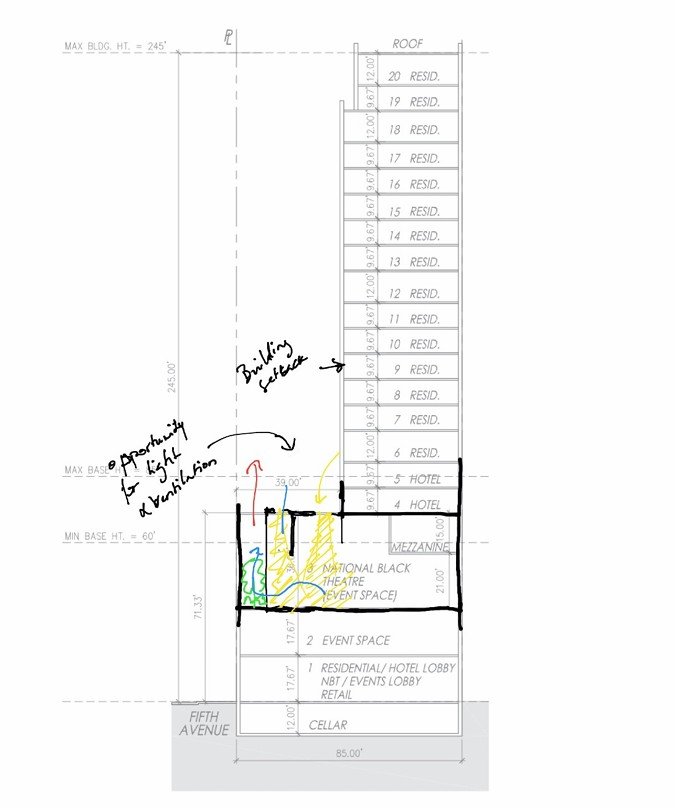
The main wood-clad performance space on the third floor pays homage to this shrine, particularly its grove. Within the theater, the “grove” becomes a setting for exhibition and performance, extending to an outdoor terrace that invites gathering and exchange. Imbuing the architecture with narrative resonance, the proposal honors the spiritual dignity and wisdom embodied in the works of the National Black Theatre and the wider community.